
High-speed imaging
Real-time processing of high-frame-rate visual streams and volumetric reconstruction.
We offer companies and research consortia multidisciplinary, computation-intensive expertise. Three vertical areas designed to turn scientific complexity into scalable enterprise software solutions.
We support research institutions, laboratories and industrial companies in developing highly innovative projects. We combine mathematical modelling, computational simulation and rigorous experimentation to validate operational prototypes in critical contexts such as bioinformatics and advanced mechanical diagnostics.
Real-time processing of high-frame-rate visual streams and volumetric reconstruction.
Predictive algorithms for biomolecular analysis, genomic screening and cell modelling.
Numerical modelling and predictive simulation for sensors and high-stress components.
Topological study of biological graphs, dynamic flows and multifactorial interactions.
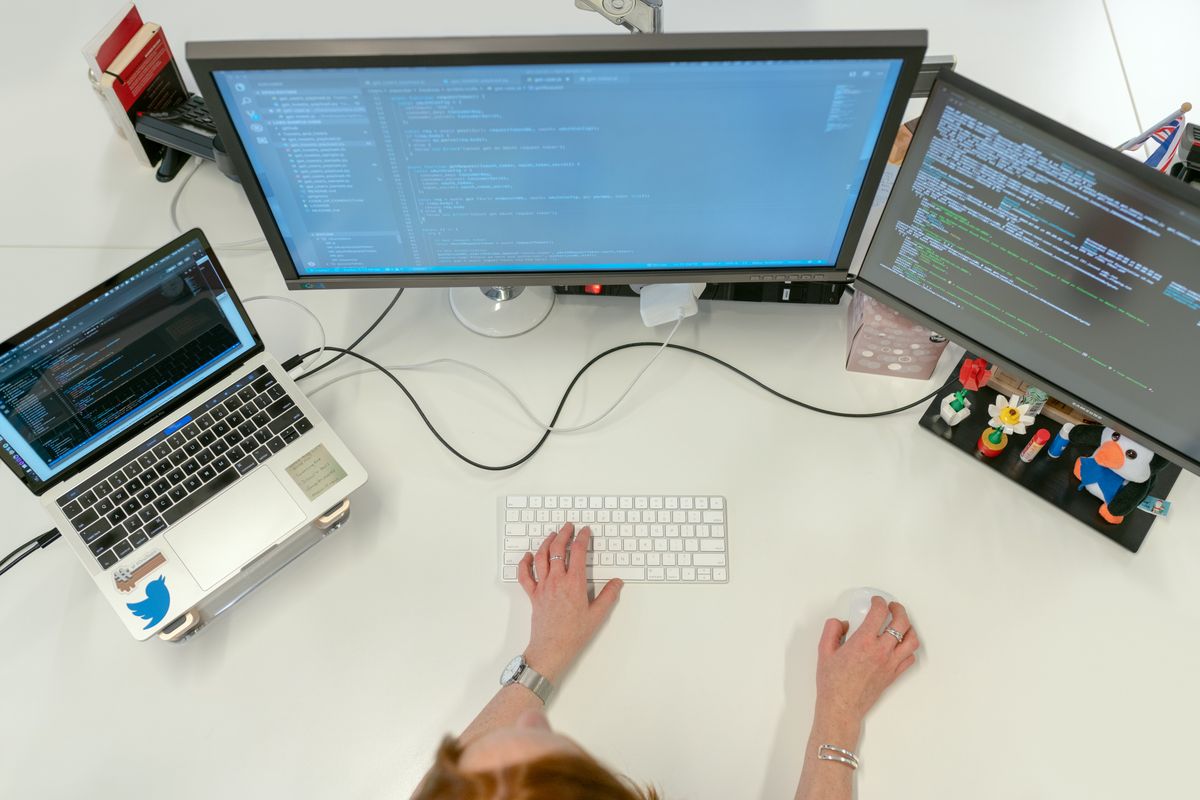
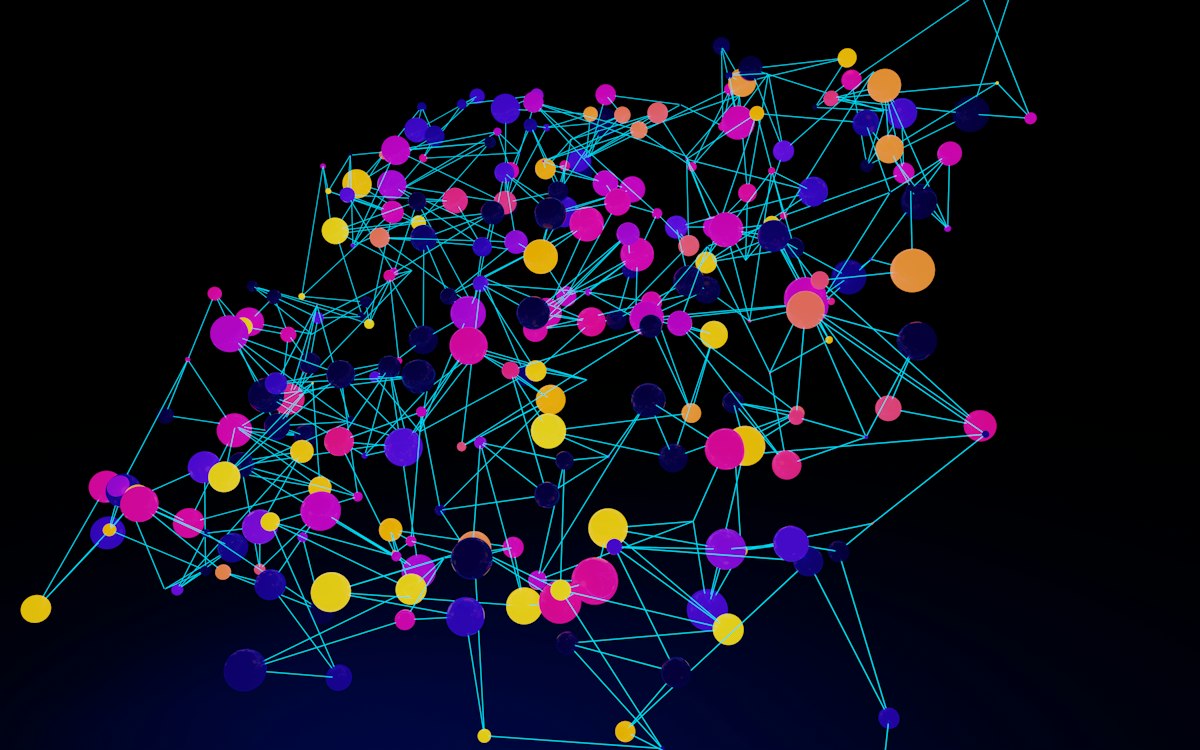
We tackle challenges where standard algorithms fail in terms of scalability and latency. We design dedicated data structures and targeted heuristic formulations to drastically reduce computation times on massive vector databases and complex network topologies.
Optimal path computation, connectivity analysis and decomposition of heterogeneous, ultra-dense graphs.
A* heuristic systems and bidirectional BFS to reduce the search space and speed up pathfinding.
Exact and heuristic solvers for NP-hard problems, industrial scheduling and memory footprint minimisation.
Low-latency parallel computing protocols, workload partitioning and consensus on multi-node clusters.
We don't plug in generic APIs: we train and validate proprietary machine learning pipelines. From computer-vision-based industrial quality control to enterprise predictive modelling, we bring highly reliable AI inference to the cloud and to edge computing.
Regression and classification models trained on specific industrial datasets and formally validated.
Vector ranking engines and semantic indexing with very high precision and throughput.
Time-series forecasting, streaming anomaly detection and predictive plant maintenance.
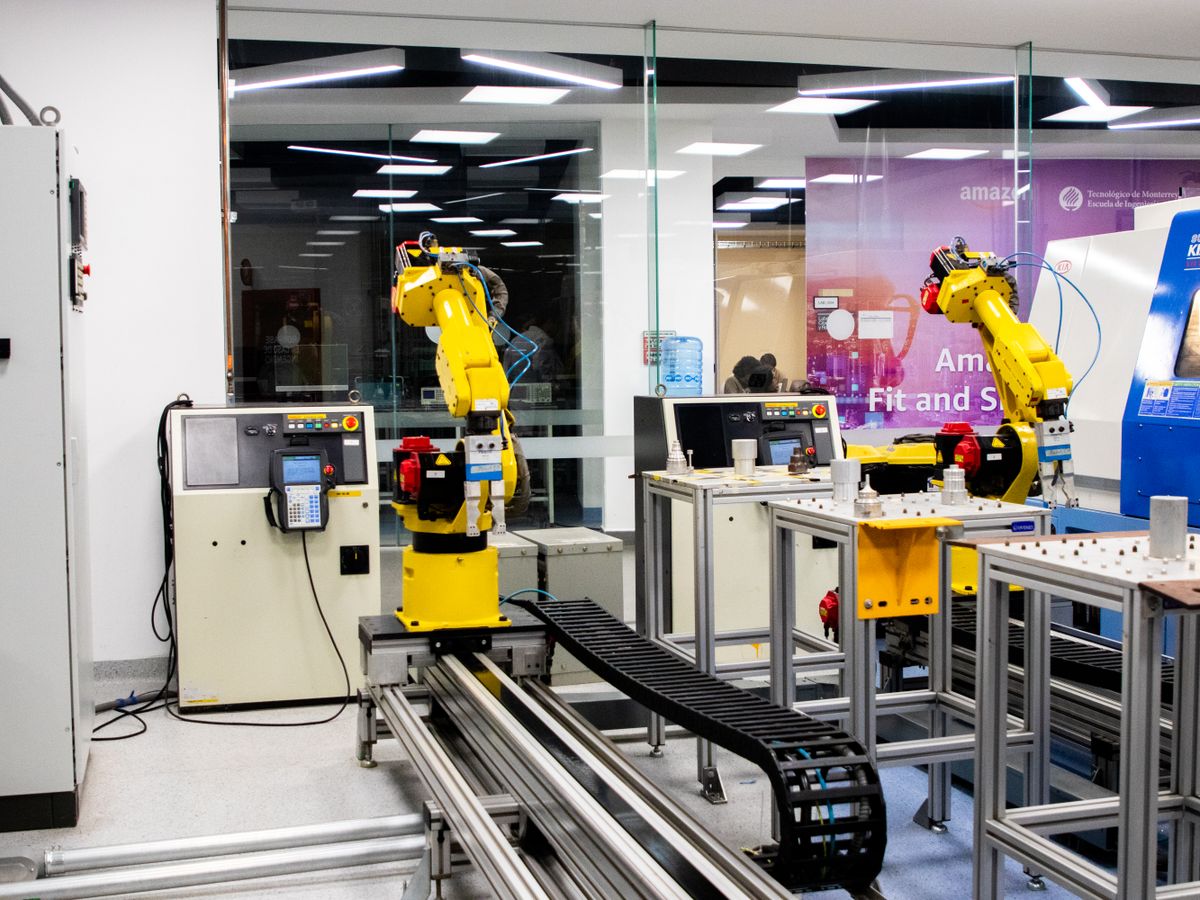
Object recognition, semantic segmentation and real-time optical quality control for production lines.
METHOD & OPERATIONAL PHASES
Every collaboration runs through firm milestones, metric verification of results and full transfer of intellectual property.
Assessment of the theoretical problem, mathematical formalisation and computational feasibility benchmarks.
Development of the prototype (PoC) in a controlled environment, validation of latency and convergence constraints.
Enterprise-grade code, continuous testing pipelines and integration into the client's infrastructure.
Full release of source code, TRL documentation and post-deployment performance monitoring.
Our research protocols ensure methodological traceability, reproducibility of numerical experiments and eligibility for R&D tax credits and European grants.
Find out how we applied this expertise in our field projects, or talk directly with our research team in Pescara.
SEDE OPERATIVA: VIA TIRINO 227, 65100 PESCARA [PE]